
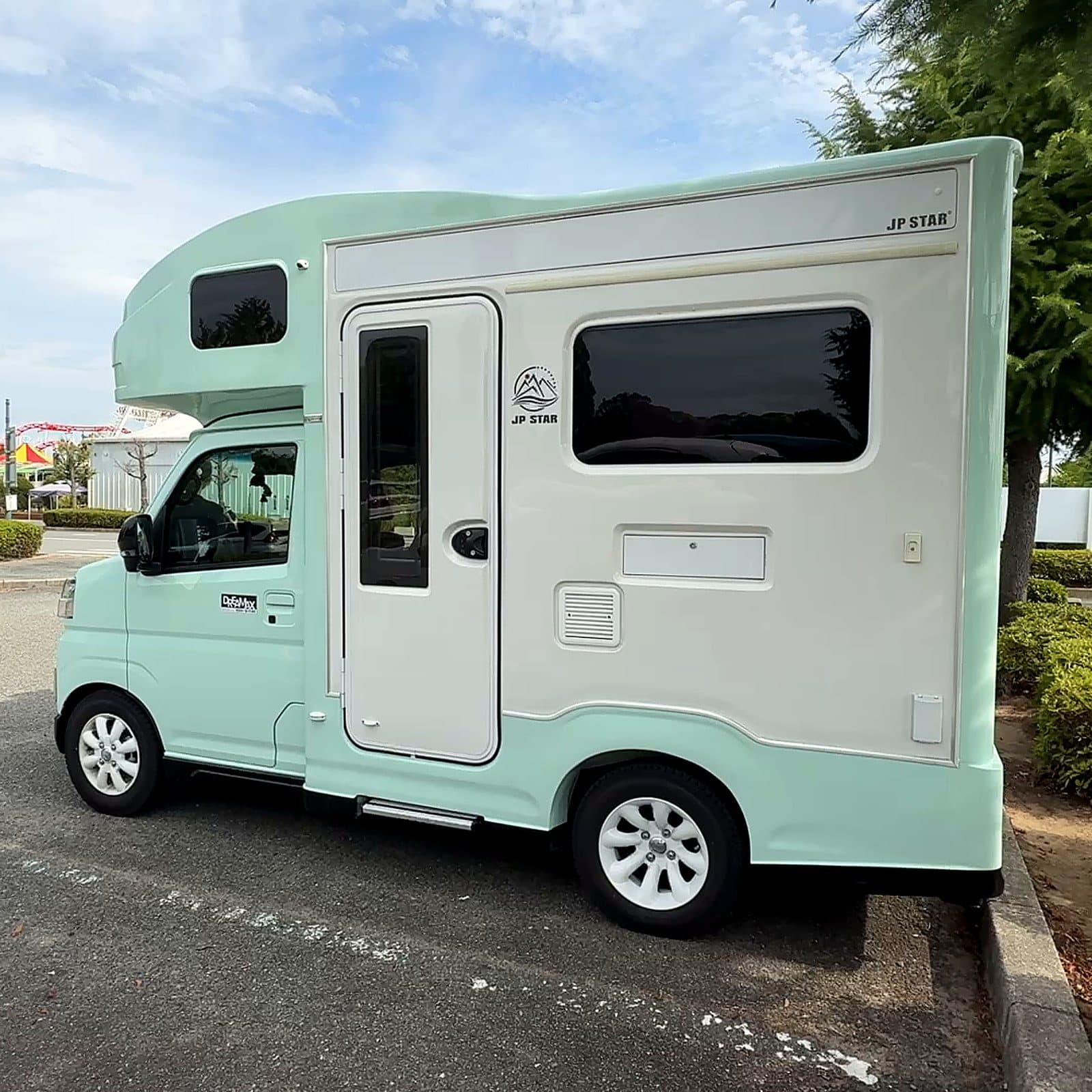
Ferry Guide
Taking a Campervan on a Ferry: Osaka to Kyushu, Shikoku and Hokkaido, 2026
People assume that putting a campervan on a ferry means special paperwork and a punishing fare. It is the opposite. A ferry charges a vehicle by its length, not by what it is called, so a 3.8-metre camper travels in the same bracket as a small car. Better still, on a night sailing you are carried to Kyushu or Hokkaido while you sleep, which saves you a hotel night and an 800-kilometre drive. Below, DREAMAX lays out the routes that leave from Osaka, Kobe, Wakayama and Maizuru, and how the fares actually work.
·
By Gary, campervan & car-camping advisor at DREAMAX
Why a camper and a night ferry fit together
Driving from Osaka to Beppu means roughly 800 kilometres on the Chugoku and Kyushu expressways, which with breaks is more than ten hours behind the wheel. The same journey on a night ferry leaves Osaka Nanko just after seven in the evening and has you in Beppu before seven the next morning. You eat dinner on board, take a bath, lie down, and the travelling happens while you sleep. On a trip where only one person in the party can drive, that difference decides everything.
Saving a hotel night matters just as much. Cabins are charged as each passenger's own fare on top of the vehicle, but you are still folding accommodation and movement into a single night. When the van rolls down the ramp the next morning, the food in the fridge, the bedding and every piece of kit you loaded are exactly where you left them. Nothing has to be carried into a room and back out again, and the local day starts the moment you land.
Then there is the part that only a camper gives you. You do not have to find somewhere to stay once you are off the ship, so you can drive straight to an onsen or make breakfast at a roadside station. A six o'clock arrival is not a problem, because there is no check-in time to wait for. And if you reach the port with hours to spare before boarding, you simply sleep in the car park until it is time, since where you stop is already your bed.
The vehicle fare goes by length: Osaka to Beppu, worked out
A ferry does not price a vehicle by its engine size or by its model name. It prices it by the overall length printed on the vehicle inspection certificate. There is no bracket that means "camper, therefore expensive". Most routes set their fares in steps of under 4 m, under 5 m and under 6 m, and on most of them the vehicle fare already includes the passenger fare for one driver.
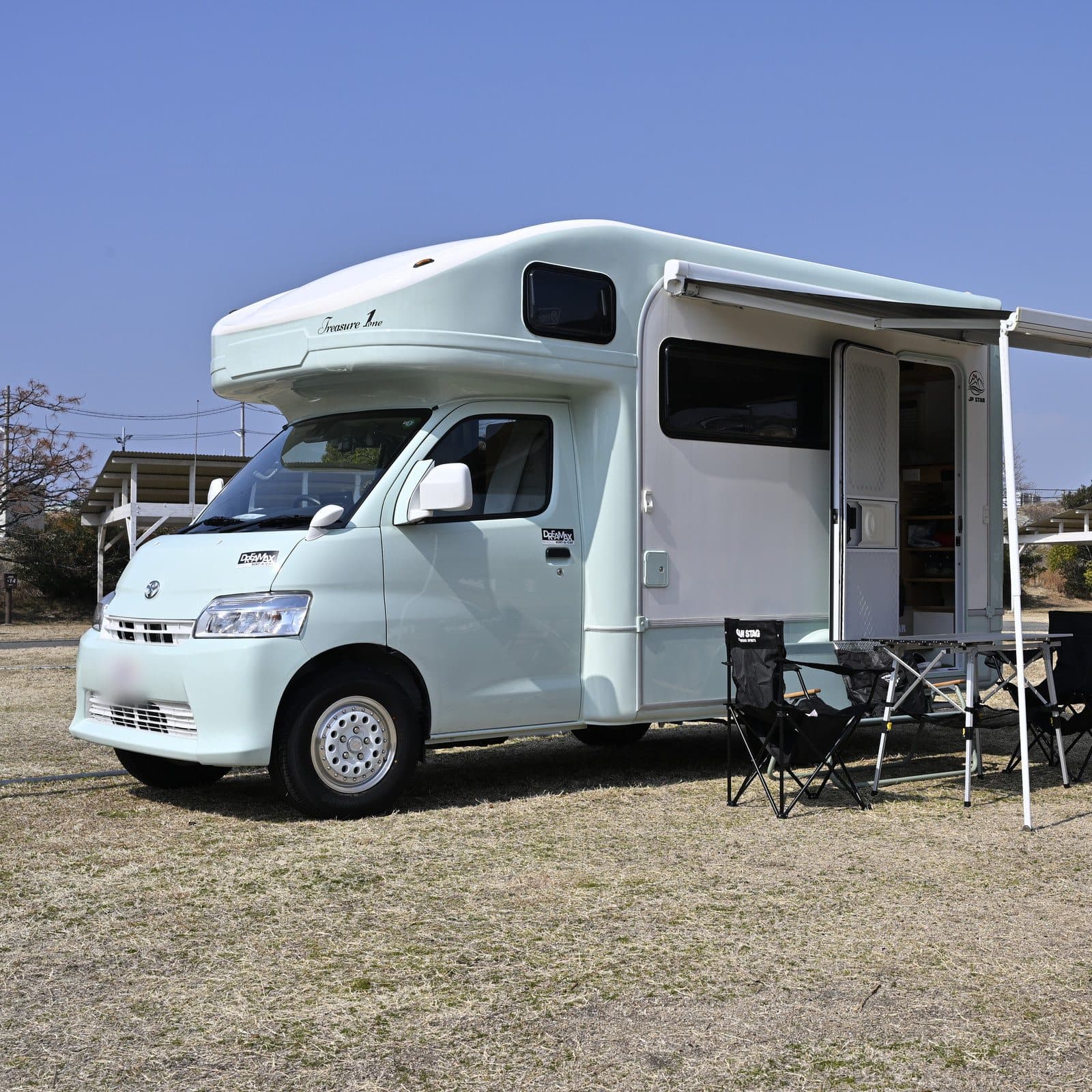
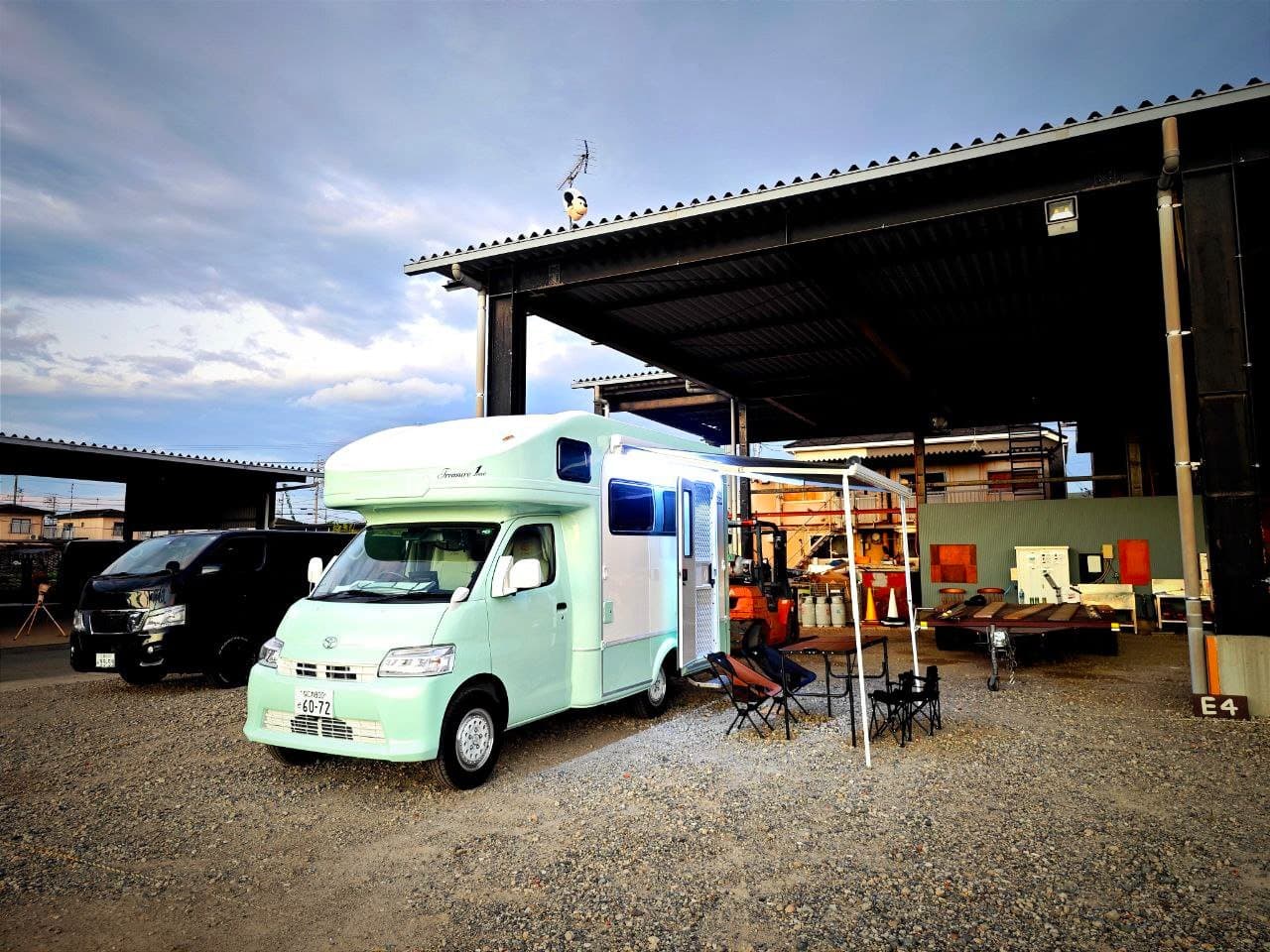
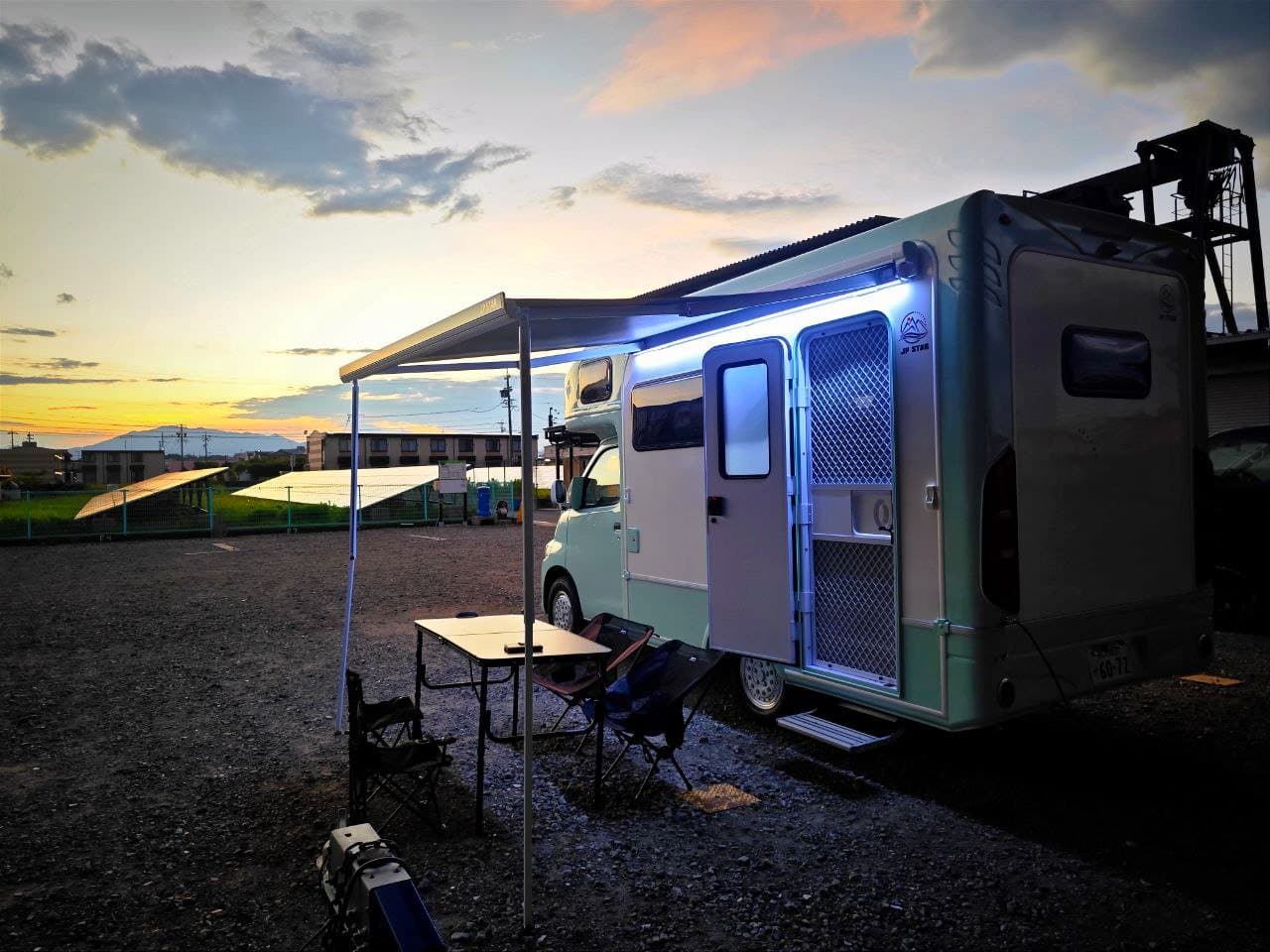
Take the Sunflower sailing from Osaka Nanko to Beppu. It has exactly two brackets for a private car: under 4 m, and 4 m to under 6 m. The JP STAR Happy 1 Turbo is 3,880 mm long, so it sits in the under-4 m bracket at ¥33,340, which is precisely what a compact hatchback pays. The JP STAR Treasure 1, at 4,900 mm, falls into the 4-to-6 m bracket at ¥35,840, a difference of ¥2,500. Seen from the other side, that ¥2,500 buys you the night's bed along with the crossing.
Every figure here is an approximate A-period (low season) reference fare including one driver. In peak periods the route moves into a higher period band and the fare changes with it, so check the current fare and timetable on each route page before you book.
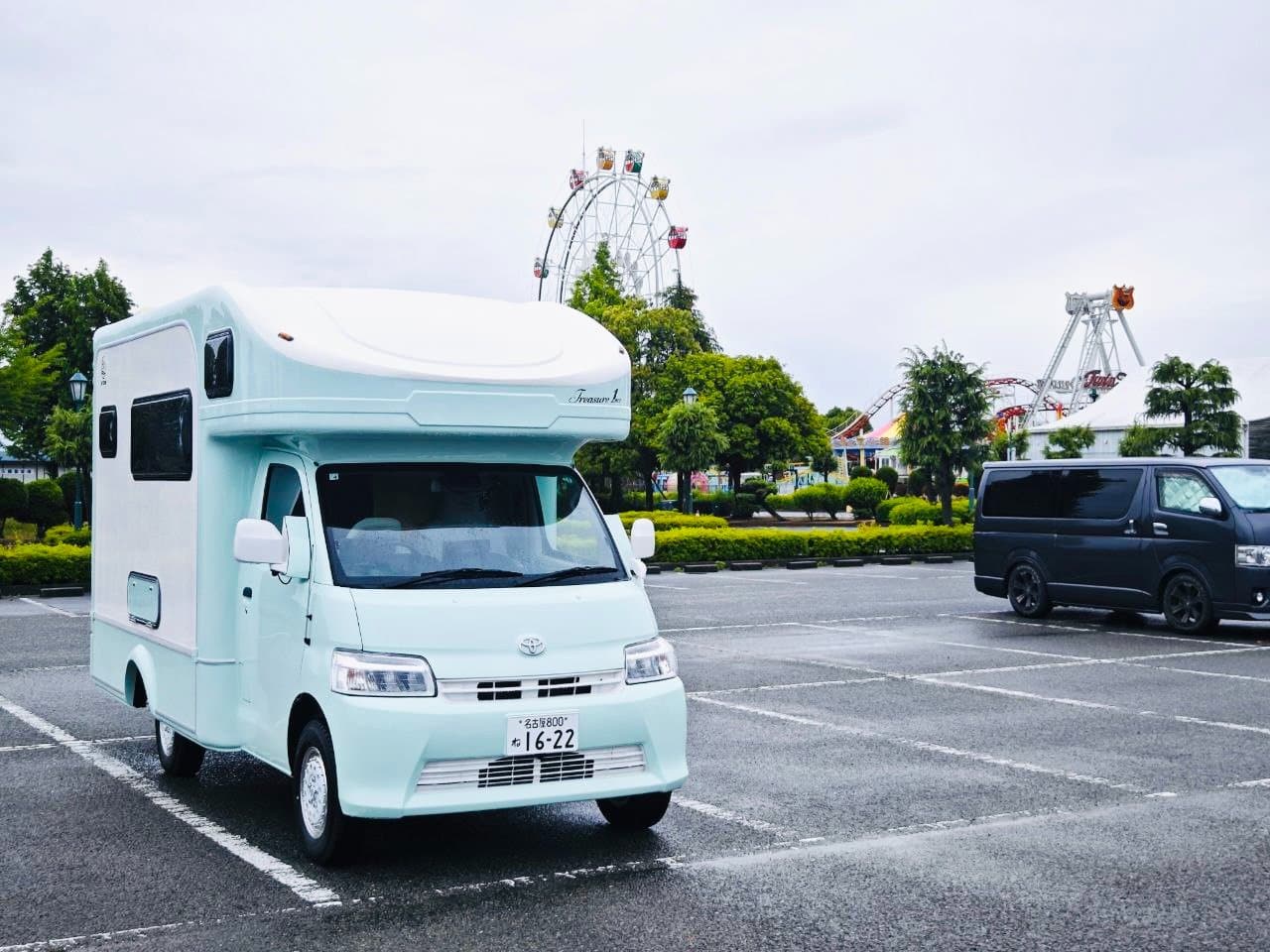
- In the under-4 m bracket: JP STAR Happy 1 Turbo (3,880 mm), Petit-Cam Villa (3,395 mm, kei class)
- In the under-5 m or 4-to-6 m bracket: JP STAR Treasure 1 (4,900 mm)
- The vehicle fare normally covers one driver; everyone else pays a passenger fare
- All amounts in this article are approximate A-period (low season) reference fares
To Kyushu: night sailings from Osaka and Kobe
Kansai to Kyushu is served every day by night ferries out of Osaka Nanko and Kobe. All of them leave in the evening and dock the following morning, which is the sleep-through-the-crossing pattern that lets you start driving in Kyushu at first light. Whether you cross to Beppu and Oita for Yufuin and Aso, or to Shinmoji and work your way south from Kitakyushu, changes the whole shape of the trip.
- Sunflower, Osaka Nanko (Sunflower terminal) to Beppu Kanko Port, about 11 h 50. Sunday to Thursday 19:05 to 06:55 next day; Friday and Saturday 20:05 to 07:55. Vehicle under 4 m ¥33,340, 4 to under 6 m ¥35,840. With-pet room from ¥8,700
- Sunflower, Osaka Nanko to Shibushi Port in Kagoshima, about 15 hours overnight. Vehicle under 4 m ¥40,260, 4 to under 6 m ¥42,760. The route to take when you want to land deep in southern Kyushu
- Sunflower, Kobe Rokko Island to Oita Port, about 11 h 20, Sunday to Thursday 19:00 to 06:20 next day. Vehicle under 4 m ¥33,340, 4 to under 6 m ¥35,840
- Meimon Taiyo Ferry, Osaka Nanko to and from Shinmoji Port in Kitakyushu, about 12 h 30, twice daily at 17:00 to 05:30 and 19:50 to 08:30. Vehicle 4 to under 5 m ¥25,520, 5 to under 6 m ¥29,920
- Hankyu Ferry, Kobe Rokko Island to and from Shinmoji Port, about 12 h 30 overnight. Vehicle under 5 m ¥25,520, under 6 m ¥29,920. A pet room is available
- Hankyu Ferry, Izumiotsu Port in Osaka Prefecture to and from Shinmoji Port (second terminal), about 12 h 30 overnight, daily at 17:30 to 06:00 the next morning. Vehicle under 5 m ¥25,520, under 6 m ¥29,920 (¥27,500 and ¥32,340 in the ordinary B period). Izumiotsu is only about 25 minutes from Kansai International Airport, which makes an airport pickup followed by that evening's sailing the shortest chain there is from the airport to Kyushu
- Miyazaki Car Ferry, Kobe Sannomiya to Miyazaki Port, about 12 h 20, daily at 19:10. Web Best Value plan: under 4 m ¥25,660, under 5 m ¥29,780, under 6 m ¥33,910
To Shikoku: short crossings you can make in daylight
You can of course drive to Shikoku over the Akashi Kaikyo and Seto-Ohashi bridges, but taking a ferry instead spares you the bridge tolls and the queues, and turns two to four hours into a rest rather than a stint at the wheel. A camper is tall and long, so skipping the crosswinds on the bridge decks and the holiday traffic is a bigger relief than it sounds. For a two or three day weekend, the Shikoku crossings are the most realistic option on this page.
- Nankai Ferry, Wakayama Port to Tokushima Port, about 2 h 15, eight return sailings a day. Private car under 5 m ¥13,400 including the fuel adjustment; a special-purpose vehicle such as a camper at 5 to under 6 m ¥15,200. Kansai Airport to Wakayama Port is about 60 minutes
- Jumbo Ferry, Kobe Sannomiya to Takamatsu-Higashi Port, about 4 h 45. A flat ¥4,990 for anything under 6 m plus a ¥1,600 fuel surcharge. There is a 01:00 sailing, which puts you in Takamatsu for the start of the day
- Jumbo Ferry, Kobe to Shodoshima, about 3 h 20. Ordinary car ¥7,990, kei car ¥6,990, plus the ¥1,600 fuel surcharge
- Orange Ferry, Osaka Nanko 22:00 to Toyo Port in Ehime at 06:00 the next morning. Every berth is a private cabin, and you may stay aboard to rest for a while after docking. Vehicle under 5 m ¥24,200, under 6 m ¥30,000 (July to September). Pet room ¥6,500
- Orange Ferry, Kobe Rokko 01:20 to Niihama-Higashi Port in Ehime at 08:20, also all private cabins. The Kobe departure runs an irregular timetable with no sailing on Saturdays, Sundays, Mondays, public holidays or the day after one, and it takes cash only. Vehicle under 5 m ¥22,700, under 6 m ¥28,700 (July to September)
To Hokkaido: Maizuru to Otaru in 21 hours
Maizuru is about two hours from central Osaka. The Shin Nihonkai sailing that leaves Maizuru at 23:50 and reaches Otaru at 20:45 the following evening, roughly 21 hours, is the shortest way to get from Kansai to Hokkaido with your vehicle. It costs you a whole day aboard, but that day covers more than 1,000 kilometres with zero driving, and you step off in Hokkaido with your energy intact.
The vehicle fare is ¥37,500 under 5 m and ¥45,400 under 6 m as an A-period guide. The A period runs from 1 October to 30 November, which means the season for autumn colour and the first snow in Hokkaido is also the cheapest season to sail. Summer falls into the B to D periods, and the vehicle deck fills earlier too. The operator also states that a vehicle registered as a camper on an 8-series plate is treated as a private car as long as it is under 6 m long, subject to a minimum ground clearance of 9 cm. All DREAMAX vans qualify, but the bracket at boarding is always set by the overall length on the inspection certificate, so declare the correct figure when you book. You are given the number at handover.
What to know before you book the crossing
Very little about taking a camper aboard differs from taking an ordinary car. There are a handful of points, though, that will catch you out on the day if nobody has told you, so read these before you book.
- Nobody may enter the vehicle deck while the ship is under way. You cannot sleep in the van; once aboard you move to the passenger decks. Take out whatever you will need before you drive on
- Pets travel in the operator's pet room, or stay in the vehicle where the operator's rules allow it. Sunflower's with-pet rooms and Hankyu Ferry's pet room are proper cabins set aside for the purpose
- Your bracket is decided by the overall length on the vehicle inspection certificate. Declare the correct length when you book; DREAMAX confirms the figure with you at handover
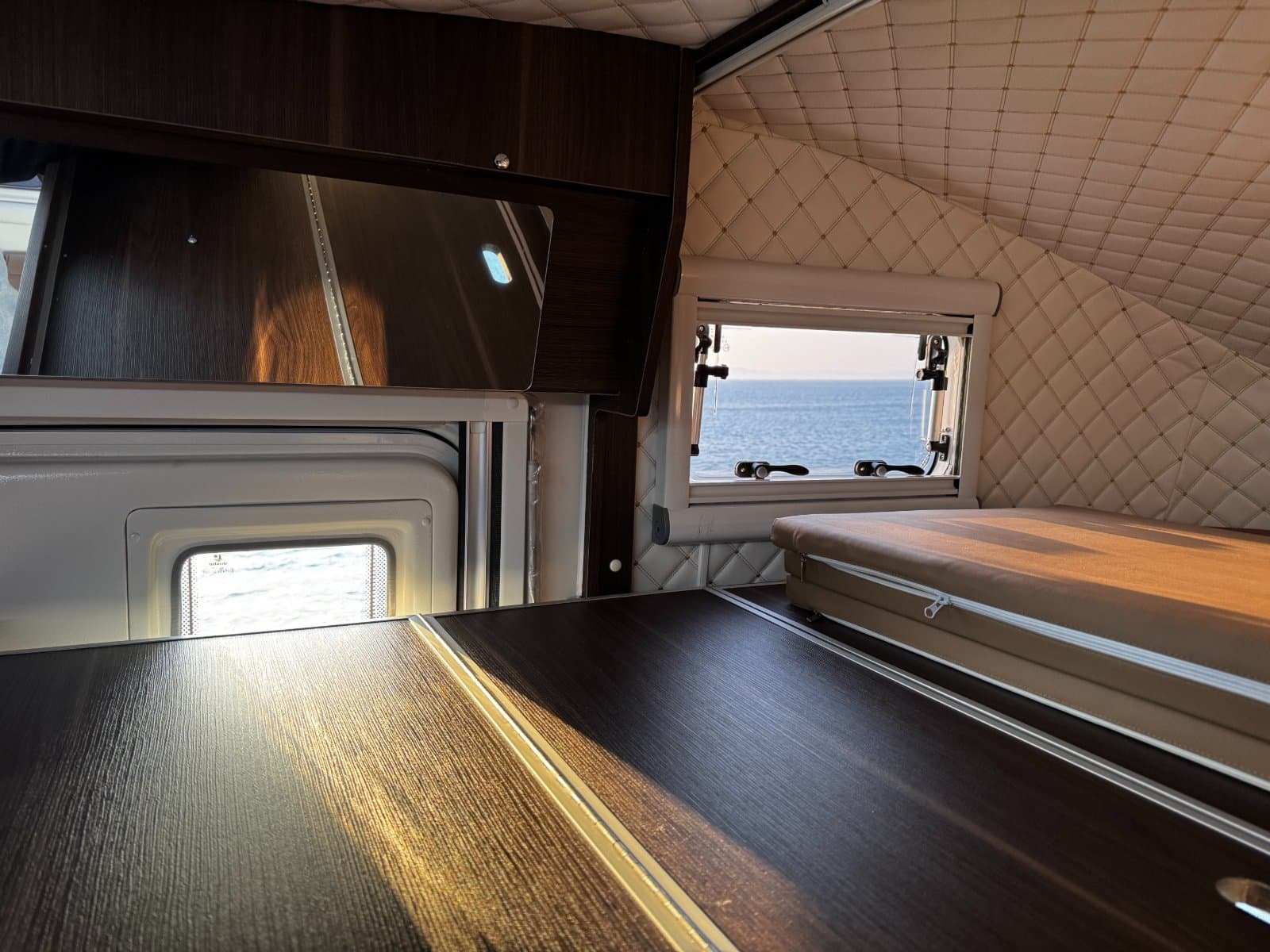
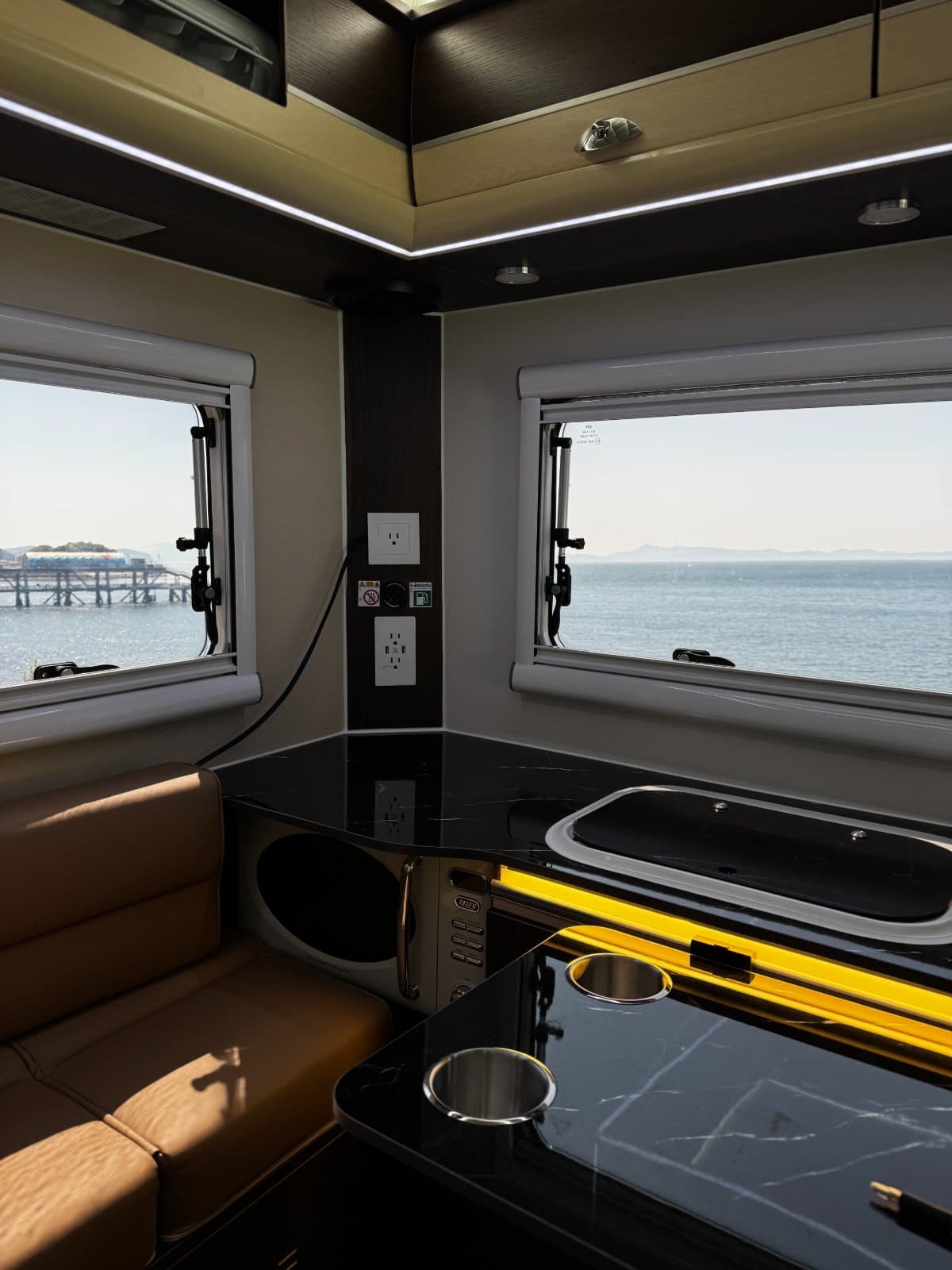
- There is no shore power on the vehicle deck. The Treasure 1 and Happy 1 Turbo run their fridge from the house battery with the engine off, so a night at sea is no threat to what is inside; both carry a 400 Ah, 5,120 Wh lithium bank and a 3,000 W inverter
- Rules on gas cartridges and other dangerous goods differ from operator to operator. Check with the operator when you make the booking
- Golden Week, Obon, the New Year holidays and the summer Hokkaido sailings fill the vehicle deck before the passenger seats. Book one to two months ahead for those
From pickup to the ramp: how the day runs
Handover in central Osaka and at Kansai International Airport is free; you cover only the tolls and fuel for that leg. Bookings close at 12:00 JST and DREAMAX can have the van ready as soon as the next day. There is no minimum rental length, so an itinerary like five days and four nights built around a return crossing books straight through.
The day itself is simple. Collect the van in the morning or around midday, shop and fill the water tank, and be at the port by late afternoon. Central Osaka to the Osaka Nanko ferry terminal is about 30 to 40 minutes, and about 50 minutes from Kansai International Airport. Kobe Sannomiya and Rokko Island are about 40 to 50 minutes from Osaka, Wakayama Port is about 60 minutes from Kansai Airport, and Maizuru is about two hours from Osaka. Boarding closes well before departure, so plan to reach the port an hour before the ship sails.
Coming home is the same in reverse. Drive off in the morning and take the expressway back into Osaka; if you are flying out of Kansai International Airport, returning the van there is free as well. Ferries do run late when the sea is rough, so book your flight home for the evening of the arrival day or later.
- Central Osaka to the Osaka Nanko ferry terminal: about 30 to 40 minutes
- Kansai International Airport to Osaka Nanko: about 50 minutes; to Wakayama Port: about 60 minutes
- Osaka to Kobe Sannomiya and Rokko Island: about 40 to 50 minutes
- Osaka to Maizuru: about two hours
Three sample itineraries
Every one of these routes has the same shape: cross the water overnight, and begin the day already there. Here are three, by length of trip. None of them carries a driving-range limit, and there is nothing to stop you taking a different route out and back.
- Kyushu onsen, seven days: collect in Osaka, sail from Osaka Nanko at 19:05, dock at Beppu at 06:55, then Yufuin, Aso and Takachiho, a couple of nights at the Beppu or Kannawa hot springs, north to Kitakyushu, Shinmoji at 19:50, into Osaka Nanko the next morning, return the van
- Shikoku weekend, three days: Wakayama Port to Tokushima Port in about 2 h 15, the Iya vine bridge and Oboke gorge, Sanuki udon in Takamatsu, Takamatsu-Higashi to Kobe Sannomiya in about 4 h 45, return the van in Osaka
- Hokkaido, ten days: Osaka to Maizuru in about two hours, sail at 23:50, dock in Otaru at 20:45 the next evening, then Furano, Biei and Asahikawa, on to Shiretoko, and back the same way from Otaru to Maizuru
Campers for this trip
FAQ
How much more does a camper cost than a car?
On the Sunflower from Osaka Nanko to Beppu there are only two private-car brackets, under 4 m and 4 to under 6 m. The 3,880 mm Happy 1 Turbo is in the under-4 m bracket at ¥33,340, exactly what a compact car pays. The 4,900 mm Treasure 1 is in the 4-to-6 m bracket at ¥35,840, a difference of ¥2,500. Both are approximate A-period reference fares; the current figures are on each route page.
Can we sleep in the van during the crossing?
No. The vehicle deck is closed while the ship is under way. Once you have driven on you move to the passenger decks, and you cannot go back to the vehicle until the ship has berthed. Take a change of clothes and your washbag out of the van before you board.
Can we keep gas cartridges in the van?
Rules on dangerous goods are set by each operator and they differ. Check with the operator when you book the crossing. DREAMAX is not able to rule on what is allowed or in what quantity.
How far ahead should we book the ferry?
The vehicle deck sells out before the passenger seats do. For Golden Week, Obon, the New Year holidays and the summer Hokkaido sailings, book one to two months ahead. DREAMAX bookings close at 12:00 JST for collection as soon as the next day, but ferry vehicle slots go long before that.
Can we collect the van and sail the same day?
Yes. Collect in the morning or around midday and the Osaka Nanko terminal is about 30 to 40 minutes from central Osaka, or about 50 minutes from Kansai International Airport. Most sailings leave in the evening, so there is time to shop first. Work back from the boarding deadline and aim to be at the port an hour before departure.
Related guides
Looking for more? All car-camping spots in Japan · Driving route library
Next trip, take the sea route.
Browse camper vans